DIY Electrical Work in Victoria: What Is Legal vs When to Call a Professional?
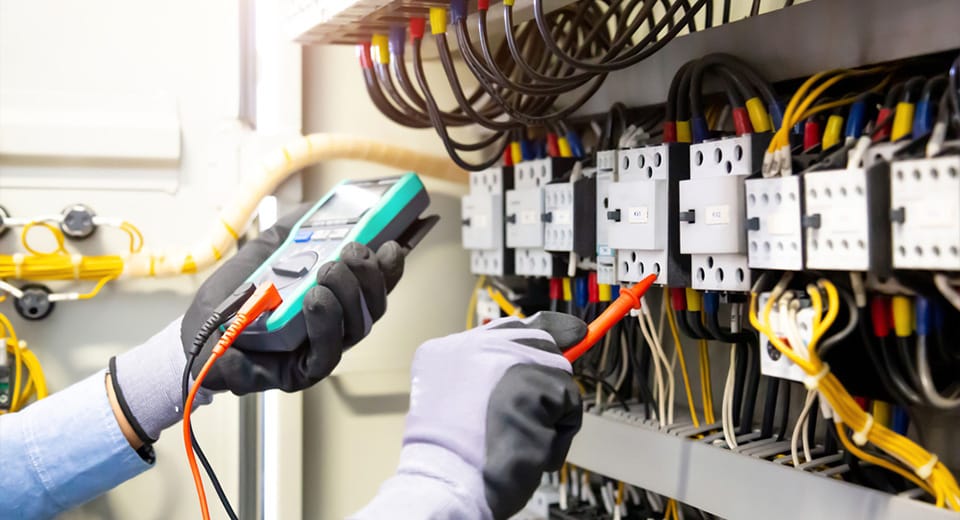
Thinking about tackling that switchboard upgrade or ceiling fan install yourself? In Victoria, DIY electrical work is far more restricted than most homeowners realise. This guide breaks down exactly what you can legally do, what can land you in some trouble, and why calling a licensed electrician is always the safer bet.
YouTube makes everything look easy, right? Thirty seconds of watching someone swap a light switch, and suddenly it feels like a weekend job you could tick off your list even before lunch. But electrical work isn’t like re-grouting the bathroom tiles or building a flat-pack shelf.
Here’s the reality check: Victoria has some of the strictest electrical safety laws in the country, and for good reason. Faulty DIY wiring is one of the leading causes of house fires and electrocution incidents across the state!
So, what can you actually (and safely) do yourself, and what will leave you with a hefty fine or get your home insurance revoked? This guide breaks it down and explains why bringing in a licensed team like Fast Electrical is always the safer, smarter call.
The Legal Landscape: Victoria’s Electrical Safety Laws
Energy Safe Victoria (ESV) strictly controls who is legally allowed to carry out electrical work across the state, helping protect communities from preventable electrical accidents, fires, and other serious hazards.
The condition here is simple:
If a job involves electrical wiring, it must be carried out by a Licensed Electrical Contractor (a Registered Electrical Contractor, or REC). This is not something that’s negotiable, or dependent on your whims. You need a licensed professional, end of story.
Plus, doing unlicensed electrical work is illegal under the Electricity Safety Act 1998, and the penalties are no petty amount. Individuals caught performing unlicensed work can face fines exceeding $10,000, in addition to any damage, injury, or insurance repercussions that follow.
This is exactly why so many Melbourne electricians spend a significant portion of their time fixing botched DIY jobs rather than just doing the initial work themselves.
What You CAN Legally Do: DIY Electrical Work for Homeowners
Here’s the part that surprises most people: the list of jobs you’re legally allowed to do yourself is actually pretty limited. In short, anything that doesn’t touch the fixed wiring is allowed. Everything else isn’t.
| You Can Do This | Why It’s Legal |
|---|---|
| Change a lightbulb or plug in an LED downlight globe | No wiring is disconnected, exposed, or altered |
| Replace a smoke detector battery | Applies to battery-operated units or replacing the backup battery in a mains-powered unit (without disconnecting the base wiring) |
| Clean air conditioner filters | Routine maintenance, no electrical components involved |
| Install pre-assembled, low-voltage garden lighting (plug-in transformer) | The transformer does the heavy lifting, not you |
| Clean switch and powerpoint faceplates | Only if you’re not unscrewing them from the wall |
See the pattern there? The moment you need a screwdriver near any wire or installation, you’ve crossed into territory reserved for a licensed electrician.
The Red Zone: Common Electrical Jobs That Require a Licensed Professional
The Golden Rule:
Many DIYers assume that if a job doesn’t require a tool, it’s legal. In reality, Energy Safe Victoria (ESV) rules are much stricter. Even minor alterations – like permanently mounting a power strip to a wall with screws – can technically violate safety regulations if it alters the fixed structure of your home’s electrical setup.
If you’re in doubt about it, it’s always a job for a qualified Melbourne electrician.
Common jobs that require a licensed electrician include:
- Installing or replacing light switches and powerpoints, even a simple faceplate swap, if the electrical mechanism needs unscrewing
- Installing new ceiling fans, light fixtures, or chandeliers
- Upgrading or repairing switchboards and circuit breakers
- Running or replacing electrical cables and wiring inside walls or ceilings
- Installing fixed appliances like electric ovens, cooktops, and hot water systems
When to call an emergency electrician:
If you’ve spotted a flickering light, a tripping circuit breaker, or a switchboard so old it can look great in a museum, that’s not your weekend project. That’s exactly when you need to call an emergency electrician. When power fails, or sparks fly, DIY isn’t an option.
DIY Electrical Work, Permits, and Certificates
In Victoria, licensed electricians are required to issue a Certificate of Electrical Safety (COES) within 30 days of completing most electrical work. This certificate is your legal proof that the job complies with Australian Standards (AS/NZS 3000), and this is what protects you down the track.
There are two main types of certificates our team issues depending on the work performed:
1. Prescribed Work COES
Required for major, high-risk jobs. This includes things like a complete switchboard upgrade, work on main service lines, or extensive rewiring. This work must also be independently audited by a registered electrical inspector.
2. Non-Prescribed Work COES
Required for more routine safety jobs, such as installing new powerpoints, fitting ceiling fans, or replacing damaged light fixtures.
Also, a misconception you may have:
There is no such thing as a “DIY permit”. No council approval, no workaround, no loophole lets an unlicensed person carry out fixed electrical wiring in their own home. If the wiring is fixed, the law applies, full stop.
The Hidden Dangers: Risks of Unlicensed Electrical Installations
The risks of unlicensed electrical work go well beyond a failed inspection. They’re immediate, they’re financial, and in the worst cases, they’re fatal.
● Immediate danger
Electrocution, shock, and fatal accidents to you or your family.
● Delayed danger
Poorly wired circuits can overheat gradually, sparking house fires months or even years later.
● The insurance nightmare
If damage is traced back to unlicensed or DIY electrical work, insurers will almost always deny the claim, leaving you to cover the full cost yourself.
● Resale headaches
Uncertified electrical work uncovered during a building inspection can stall, or completely derail, a home sale.
That last point catches a lot of Victorian homeowners off guard. An uncertified, makeshift DIY work from years ago can resurface at the worst possible moment, right when you’re trying to sell.
Leave It to the Professionals
Saving a few dollars on a DIY electrical job simply isn’t worth the risk to your family’s safety, your wallet, or your home insurance. When in doubt, the smartest move is always to call a licensed professional.
Fast Electrical has been servicing homes and businesses across Melbourne for over ten years. Need a switchboard overhaul? A new ceiling fan fitted? A fixed appliance installed properly and signed off? That’s exactly the kind of work our electricians in Melbourne handle every day, done right and certified to code.
Get in touch with Fast Electrical, and leave the risky stuff to us.
RELATED BLOGS
Let’s chat about something that’s happened to all of us at some stage – you’re at home, perhaps watching the footy or preparing dinner, when all o...
Read more
If you’ve been sweating through another scorcher or shivering through a surprisingly chilly evening, you’ll know just how essential a good aircon ...
Read more
So you’re thinking about sprucing up your place with some motorised blinds or LED downlights? Good on ya! These aren’t just for fancy show homes a...
Read more